Post Falls, ID · Garage Door Service
Garage Door Repair, Rathdrum
Garage door repair for Rathdrum, ID, where most houses date to the early 2000s. We drive out from Post Falls for spring, opener, and track jobs on that newer stock.
- Repairs & new doors
- Springs & openers
- Serving 5 nearby communities
How Long It Takes
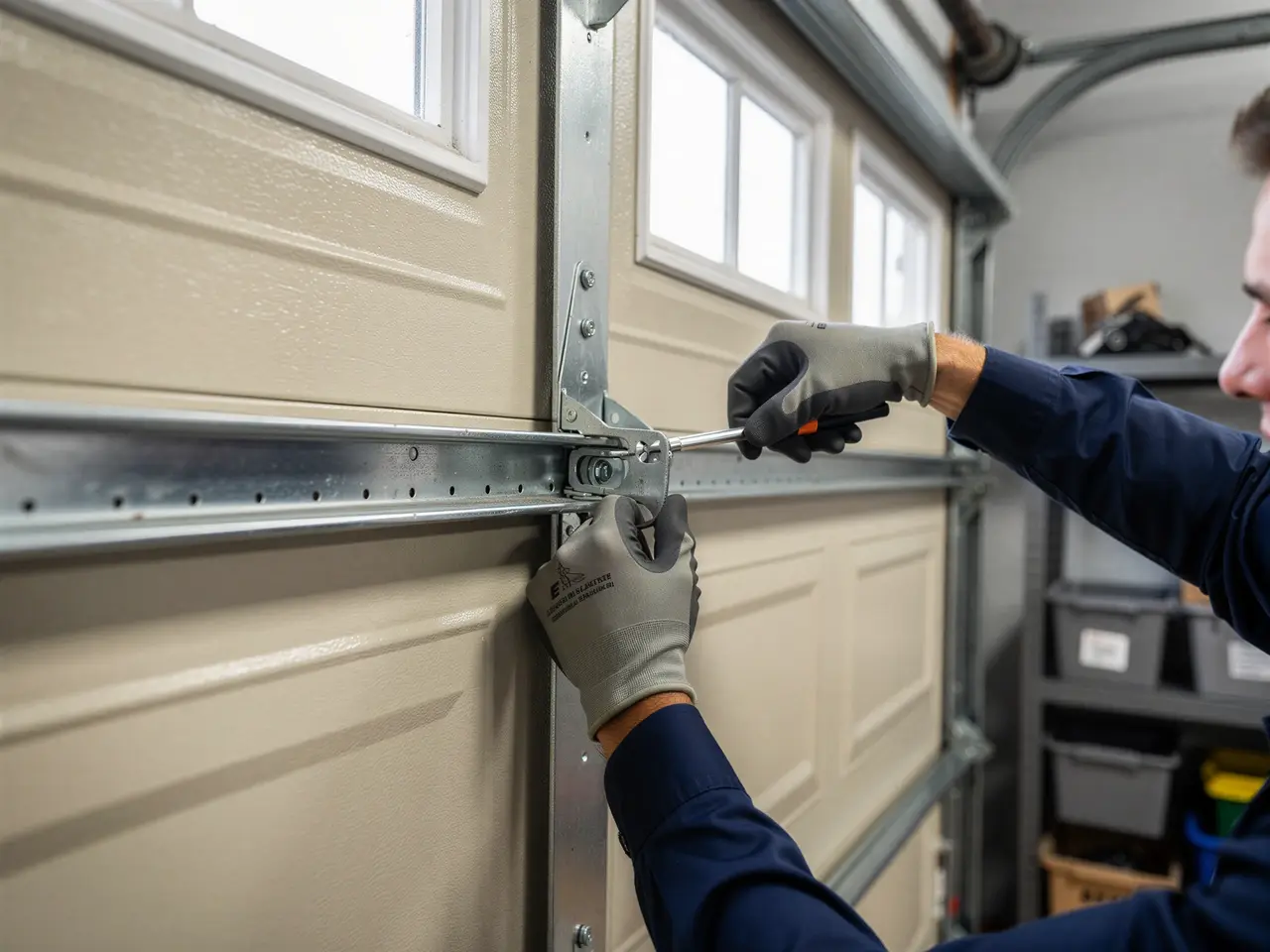
We work out of Post Falls, five miles from Rathdrum, so getting a truck to your driveway isn't the long part of the job - the repair itself is. A torsion spring swap on a double door runs about 45 minutes once we're there. Opener diagnosis and board or logic unit replacement is usually similar, sometimes longer if the unit has to come apart to confirm what's actually dead versus what's just acting dead.
What we can't do is promise a same-day slot every time. We book from Post Falls out to the whole service area, and Rathdrum sits on the route, not at the center of it. If your door is stuck closed with a car trapped inside, say so when you call - that changes how we stack the day. If it's a noise that's been getting worse for two weeks, that's a normal booking, not an emergency one.
Most of what we see in Rathdrum isn't a mystery once we're on site. The houses here are young enough that we're usually dealing with original equipment reaching the end of its first life, not patchwork from three different repair visits over forty years. That makes diagnosis faster, even if the drive isn't the bottleneck.
What Can Go Wrong
Rathdrum's housing stock centers on a median build year of 2002, a good two decades newer than much of the rest of the service area that goes back to 1950. That matters because it means a lot of doors here are still running the factory torsion spring and the factory opener that went in when the house was framed - and both of those have a rated life, not an infinite one.
At roughly 20 years old, the torsion springs and the factory openers installed when these houses went up are hitting the end of their rated cycle life around the same time. A spring rated for around 10,000 cycles starts losing tension and eventually snaps; a chain-drive opener from that era starts grinding on worn sprockets or frying a capacitor on the circuit board. Because the house and the hardware are close to the same age, we often find both issues show up within a year or two of each other on the same door.
Winter adds to it. In this climate band, cold makes steel contract and grease stiffen, which is enough to push a spring that's already near the end of its life over the edge, usually on the coldest morning of the stretch - not because the cold caused the wear, but because it's the final straw on hardware that was already tired.
How It Shows Up
The most common call we get from this part of the service area is a door that won't open at all, or that opens about six inches and stops. That's almost always a broken torsion spring - the opener tries to lift the full weight of the door with no spring assist and either stalls or trips its own safety reversal.
A second pattern is a door that opens but sounds like it's fighting the whole way - grinding, a rhythmic thump, or a chain that slaps the rail. That's usually an opener on its way out, often the same unit that's been running since the house was built, now dealing with worn gears or a sprocket that's lost its teeth.
A third, quieter sign is a door that closes unevenly, dropping faster on one side than the other. That points to a cable starting to fray or a roller that's seized in its track. It's not an emergency the day you notice it, but it gets worse fast if left - an uneven door puts more load on the opposite side cable, and that's how a one-sided problem becomes a two-sided one.
Getting It Booked In
Call and describe what the door is doing - stuck shut, loud, slow, uneven - and we'll tell you roughly what that points to before anyone drives out. If it sounds like a spring, we bring spring stock sized for standard residential doors, since that's the single most common part we replace on houses from this era.
We travel from Post Falls for every Rathdrum call; there's no local branch or drop-off point here, so we schedule the visit around the route for that day. If you've got a specific window you need - before work, after school pickup - say so when you call rather than after we've already put you on the board.
If your opener is dead and you don't know the brand or model, a photo of the motor unit label helps us bring the right logic board or decide ahead of time that the unit's not worth saving. That one piece of information often saves a second trip.
What the Repair Takes
For a broken spring, the job is the spring itself, new cable if the old one looks stretched or nicked, and a full balance check afterward - a door that opens fine with new springs but isn't balanced will just wear the next set out faster. We don't replace one spring on a double door and leave the other; if one's gone at 20 years, the other is close behind it.
For an opener, we start by confirming it's actually the opener and not the door dragging on a bent track or worn rollers, since replacing an opener on a door that's fighting its own hardware just burns out the new unit too. If it is the opener, we match replacement to what the house can run - most of what's installed from the early 2000s doesn't need anything exotic to replace.
Here's the honest limit: if the original opener's circuit board is a model the manufacturer stopped stocking years ago, we're not going to chase a part that doesn't exist. At that point replacing the whole unit costs less time and less money than hunting for a board nobody makes anymore.
What You Pay
We don't publish a flat price here because the two most common jobs - a spring replacement and an opener swap - land in different ranges depending on spring size, opener horsepower, and whether we find a second problem once the door's apart. What we can tell you is what drives the number: parts, the time on site, and whether the job is a straight swap or turns into also fixing a bent track or worn roller we find along the way.
Rathdrum's median household income runs higher than some of the other areas we cover, and 3,558 households sit in this immediate service area - enough that we see the same handful of failure patterns repeat often, which keeps our parts stock predictable and keeps quotes from swinging wildly once we've seen the door. We'll give you a number before we start work, not after.
Frequently asked questions
Why does my opener sound like it's grinding when it's barely 20 years old?
Twenty years is actually near the end of a typical opener's working life, especially a chain-drive unit that's run daily since the house was built. Sprockets wear, gears strip, and the motor starts working harder than it should. Grinding usually means worn gearing, not a quick fix - it's often cheaper to replace the unit than to keep nursing it.
Do you have a branch in Rathdrum?
No. We're based in Post Falls, about five miles out, and we drive to every Rathdrum call from there. There's no local drop-off point or satellite location - scheduling is built around the daily route, so tell us your preferred window when you call.
My door drops faster on one side when it closes - is that urgent?
It's not an emergency the day you notice it, but it doesn't fix itself. Uneven closing usually means a fraying cable or a seized roller on one side, and that imbalance puts extra load on the opposite cable. Left alone, a one-sided problem tends to become a two-sided one within weeks.
Is it worth fixing an opener from when the house was built or should I replace it?
Depends on what's actually failed. A burned-out capacitor or a stripped gear on an otherwise sound unit is worth fixing. If the circuit board is a model the manufacturer no longer stocks, we're not going to hunt for a part that doesn't exist - full replacement costs less time and money at that point.
More garage door services in Rathdrum
Book garage door service in Post Falls
Call now or request a quote - tell us what the door is doing and where you are.